Cyst Removal in Tenerife

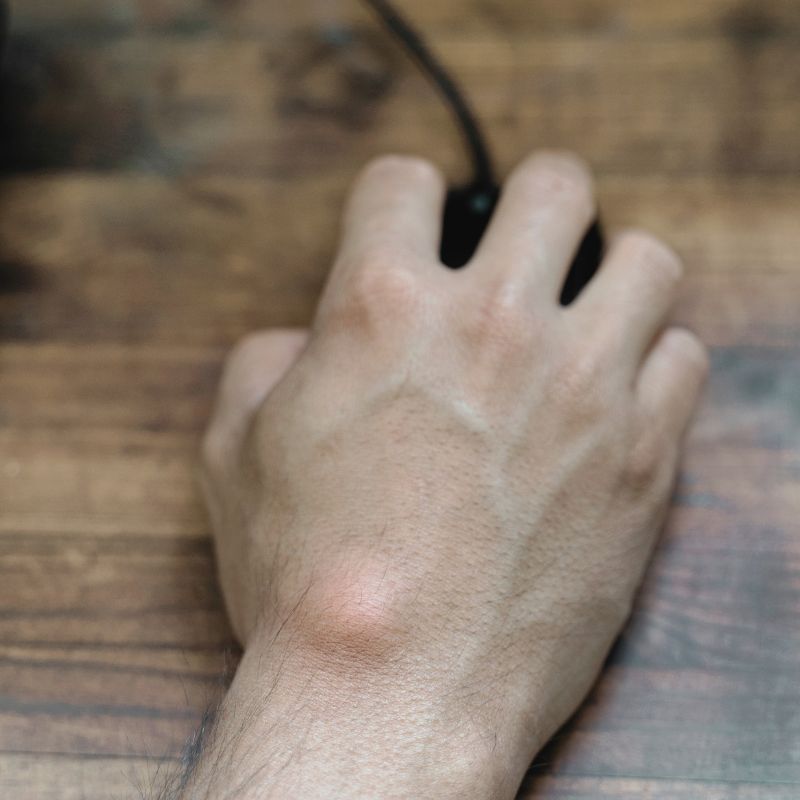
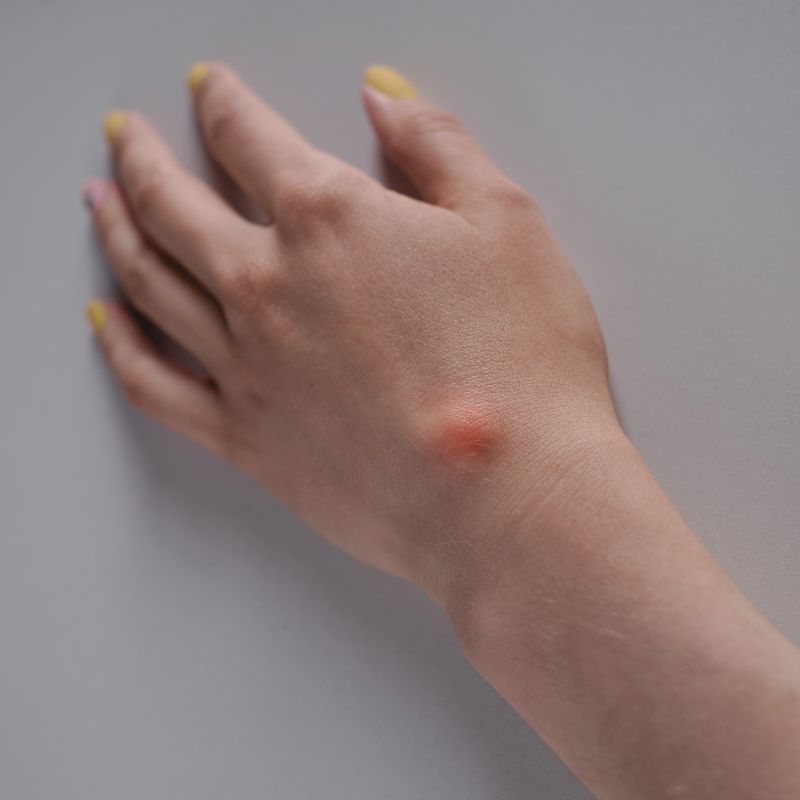
Skin cysts are common, usually benign lumps that can develop almost anywhere on the body. Medical assessment and surgical removal of suitable skin cysts under local anaesthesia.

Assessment & Surgical Removal of Skin Cysts

Skin cysts are often painless and harmless, but some cysts gradually increase in size, become uncomfortable, repeatedly inflamed or infected, or simply become cosmetically bothersome.

At Dermatology Center Tenerife, we provide medical assessment and surgical removal of suitable skin cysts under local anaesthesia.

Before removal, the lump is examined to determine whether it is likely to be a cyst or whether another type of skin or subcutaneous lesion needs to be considered.

When surgical removal is appropriate, the aim is generally to remove the cyst together with its capsule to reduce the likelihood of recurrence.

Common Cyst Problems We Treat
  • The Problem

One of the most common skin cysts is an epidermoid cyst, often referred to by patients as a “sebaceous cyst.”

These cysts develop beneath the skin and commonly appear as a round, smooth lump. Some have a small central opening or punctum.

They frequently occur on areas such as the:

  • Face
  • Neck
  • Back
  • Chest
  • Shoulders
  • Scalp

Many remain small for years, while others gradually become larger.

  • How We Can Help

We examine the lump to determine whether its characteristics are consistent with a benign skin cyst.

If the cyst is suitable for surgical removal, the procedure can usually be performed under local anaesthesia.

The objective is to remove both the contents of the cyst and, where possible, the surrounding cyst wall or capsule to reduce the risk of recurrence.

  • The Problem

Some cysts remain almost unchanged for years, while others gradually increase in size.

As a cyst becomes larger, it may become more visible or begin to cause pressure and discomfort.

Larger cysts can also become more difficult to remove than smaller lesions.

  • How We Can Help

We assess the size, location and characteristics of the lump and determine whether elective surgical removal is appropriate.

If removal is recommended, the procedure and expected scar can be discussed before treatment.

  • The Problem

A previously painless cyst can suddenly become red, swollen, tender and painful.

This may occur when the cyst becomes inflamed or infected.

An inflamed cyst can sometimes increase significantly in size over a short period and become very uncomfortable.

  • How We Can Help

The cyst is examined to determine whether inflammation or infection is present. Treatment depends on the individual situation.

An acutely inflamed or infected cyst may require initial treatment before definitive surgical removal can be performed.

Once the inflammation has settled, complete removal of the cyst and its capsule may be recommended to reduce the risk of the problem returning.

  • The Problem

Simply squeezing, draining or emptying a cyst does not necessarily remove the cyst itself.

If the cyst wall or capsule remains beneath the skin, the cyst can gradually fill again and return.

This is why some patients experience the same lump repeatedly after it has previously been drained or ruptured.

  • How We Can Help

When appropriate, surgical excision aims to remove the cyst together with its capsule rather than only emptying its contents.

Complete removal can significantly reduce the likelihood of recurrence, although no surgical procedure can guarantee that a cyst will never return.

  • The Problem

A cyst does not have to be infected to justify medical assessment.

Cysts can become uncomfortable because of their location or may be repeatedly irritated by clothing, shaving or everyday movement.

Others may be located in a highly visible area and become cosmetically bothersome.

  • How We Can Help

We assess the lesion to confirm whether it appears suitable for elective removal.

If surgery is appropriate, we discuss the removal procedure, expected healing and potential scar before treatment.

Is Every Lump a Cyst

Is Every Lump a Cyst?

No

A lump beneath or within the skin can have many different causes. Possible explanations include:

  • Epidermoid cysts
  • Other types of cysts
  • Lipomas
  • Abscesses
  • Enlarged lymph nodes
  • Inflamed skin lesions
  • Other benign or malignant growths

For this reason, a new or unexplained lump should be properly assessed rather than automatically assumed to be a cyst. If the diagnosis is uncertain, additional investigation may be recommended before removal.

How Does Cyst Removal Work?

Medical Assessment

The lump is first examined to determine whether it is likely to be a cyst and whether surgical removal is appropriate. Its size, location, mobility, condition of the surrounding skin and any signs of inflammation or infection are considered.

Local Anaesthesia

Cyst removal is generally performed under local anaesthesia. The area around the cyst is numbed before the procedure so that the patient should not feel pain during the surgical removal.

Surgical Removal

A small incision is made to access the cyst. Where possible, the cyst and its capsule are carefully separated from the surrounding tissue and removed. Removing the capsule is important because leaving cyst-wall tissue behind can increase the likelihood of recurrence.

Wound Closure

Depending on the size and location of the cyst, the incision is generally closed with sutures and an appropriate dressing is applied.

Histopathology When Indicated

Depending on the characteristics of the lesion and clinical indication, removed tissue may be sent for histopathological examination. A pathologist can examine the tissue microscopically to confirm the diagnosis.

Aftercare & Follow-Up

After the procedure, instructions are provided regarding wound care, showering, physical activity and dressing changes. If non-absorbable sutures are used, a follow-up appointment is arranged for their removal at the appropriate time.

Common Questions

Can an Infected Cyst Be Removed Immediately?

Not always.

When a cyst is severely inflamed or infected, complete surgical removal can be more difficult because the surrounding tissue is swollen and the cyst wall may be fragile.

Depending on the individual situation, the acute inflammation or infection may need to be treated first. Once the area has settled, definitive surgical removal can be considered.

In other situations, drainage or another procedure may be required more urgently. The appropriate treatment can only be determined after examination.

Why Can a Cyst Return After Drainage?

A cyst consists not only of the material inside it but also of a surrounding cyst wall or capsule.

Draining or squeezing out the contents can make the lump temporarily disappear, but if the capsule remains beneath the skin, it can produce additional material and the cyst may refill.

For suitable cysts, definitive surgical treatment therefore aims to remove the cyst wall as completely as possible.

Will Cyst Removal Leave a Scar?

Any surgical incision can leave a scar. Our aim is to use an appropriate surgical approach while keeping the incision and resulting scar as limited as reasonably possible.

For cosmetic cyst removal, the expected scar should always be considered when deciding whether surgery is worthwhile.

The final appearance depends on:

  • Size of the cyst
  • Location on the body
  • Depth of the cyst
  • Previous inflammation or infection
  • Surgical technique
  • Individual healing
  • Wound care
  • Sun exposure during healing

When Should You Have a Cyst Checked?

Arrange a medical assessment if a lump:

  • Is increasing in size
  • Becomes painful
  • Becomes red or swollen
  • Starts draining fluid or pus
  • Repeatedly becomes inflamed
  • Returns after previous drainage
  • Is uncomfortable because of its location
  • Is cosmetically bothersome
  • Has changed unexpectedly
  • Cannot clearly be identified as a cyst

A rapidly growing, unusually firm or otherwise unexplained lump should be assessed rather than treated as a routine cyst without examination.

Cyst Removal Surgery in Tenerife

At Dermatology Center Tenerife, we provide assessment and surgical removal of suitable skin cysts in a medical setting. Our treatment pathway can include:

Medical AssessmentLocal AnaesthesiaSurgical RemovalHistopathology When IndicatedWound CareFollow-Up

If the lump does not appear to be a straightforward skin cyst or requires additional investigation, the appropriate diagnostic or specialist pathway can be arranged.

Get a Cyst Assessed for Removal in Tenerife

Have a cyst or unexplained lump that is growing, uncomfortable, repeatedly inflamed or cosmetically disturbing? Arrange an assessment at Dermatology Center Tenerife. We can determine whether the lump is suitable for removal and discuss the appropriate surgical treatment.