
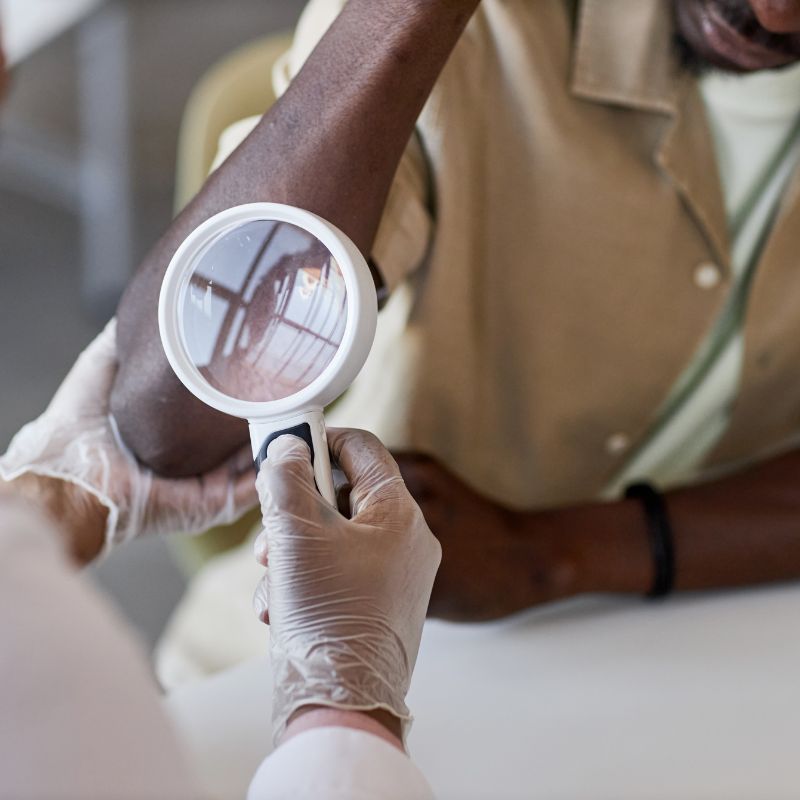
Eczema & Dermatitis Treatment in Tenerife

Eczema and dermatitis are common inflammatory skin conditions that can cause redness, itching, dryness, scaling, irritation and inflammation of the skin. Medical assessment and treatment of eczema, dermatitis and unexplained inflammatory skin conditions.

Medical Assessment of Inflammatory Skin Conditions

Symptoms can range from a small area of irritated skin to extensive or recurring flare-ups affecting everyday life. Some forms of dermatitis appear suddenly after contact with an irritant or allergen, while others are chronic conditions that repeatedly improve and return.

At Dermatology Center Tenerife, we provide medical assessment and treatment of eczema, dermatitis and unexplained inflammatory skin conditions.

Because several skin diseases can produce very similar symptoms, the first step is determining what type of dermatitis is present and whether an identifiable trigger or underlying condition is contributing to the problem.

The goal of treatment is not only to control the current inflammation but also to identify possible triggers, protect the skin barrier and reduce future flare-ups.

Common Eczema & Dermatitis Problems We Treat

  • The Problem

Atopic eczema, also known as atopic dermatitis, is a chronic inflammatory skin condition that often causes dry, itchy and inflamed skin.

Symptoms may come and go in periods known as flare-ups. During these episodes, the skin can become intensely itchy, red, cracked or irritated.

Although atopic eczema commonly begins during childhood, it can continue into adulthood or sometimes become problematic later in life.

  • How We Can Help

We assess the appearance and distribution of the affected skin together with the patient’s medical history and possible triggers.

Treatment focuses on controlling inflammation, restoring the skin barrier and reducing itching. Depending on the severity, this may involve appropriate moisturising strategies, prescription topical medication and additional medical treatment when required.

For recurrent eczema, identifying factors that trigger or worsen flare-ups is an important part of long-term management.

  • The Problem

Contact dermatitis develops when the skin reacts to something it has come into contact with. There are two main forms:

Irritant contact dermatitis
Occurs when substances repeatedly damage or irritate the skin.

Allergic contact dermatitis
Occurs when the immune system reacts to a particular substance or allergen.

Possible triggers include:

  • Cosmetics
  • Fragrances
  • Metals
  • Cleaning products
  • Detergents
  • Chemicals
  • Gloves
  • Skincare products
  • How We Can Help

We assess where the dermatitis appears, when symptoms started and which products or substances may have come into contact with the affected skin.

Treatment involves controlling the inflammation while identifying and avoiding the suspected trigger whenever possible.

If an allergic cause is suspected and further investigation is required, appropriate specialist testing may be recommended.

  • The Problem

Seborrheic dermatitis commonly affects areas of the skin with a high concentration of sebaceous glands.

Typical locations include the:

  • Scalp
  • Eyebrows
  • Sides of the nose
  • Beard area
  • Ears
  • Upper chest

It can cause redness, itching and greasy or flaky scales. On the scalp, it may initially appear similar to persistent dandruff.

The condition is often chronic and may repeatedly improve and return.

  • How We Can Help

We examine the affected skin to distinguish seborrheic dermatitis from conditions such as psoriasis, fungal infections and other inflammatory skin diseases.

Depending on the severity and location, treatment may include medicated shampoos, topical antifungal treatment, anti-inflammatory medication or a combination of approaches.

Long-term management can help control recurrent flare-ups.

  • The Problem

The hands are particularly vulnerable to dermatitis because they frequently come into contact with water, soap, disinfectants, cleaning products and other irritating substances. Repeated exposure can damage the natural protective barrier of the skin.

The hands may become:

  • Dry
  • Red
  • Itchy
  • Painful
  • Cracked
  • Inflamed

People working in healthcare, hospitality, cleaning, construction, beauty services and other occupations involving frequent hand washing or chemical exposure may be particularly affected.

  • How We Can Help

We assess the pattern of inflammation and possible occupational or environmental triggers.

Treatment focuses on reducing inflammation and allowing the damaged skin barrier to recover.

We can also recommend strategies to reduce exposure to irritants and protect the hands from repeated damage. If allergic contact dermatitis is suspected, additional investigation may be recommended.

  • The Problem

Dermatitis affecting the face or eyelids can be particularly uncomfortable because the skin in these areas is sensitive. Symptoms may include redness, dryness, itching, burning, scaling or swelling.

Possible triggers include:

  • Cosmetics
  • Sunscreen
  • Skincare products
  • Fragrances
  • Hair products
  • Allergens
  • Irritating substances
  • Other inflammatory skin conditions

Because several different skin diseases can affect the face, persistent facial redness should not automatically be assumed to be eczema.

  • How We Can Help

We assess the location and appearance of the inflammation together with products, medications and other possible triggers.

Once the likely cause has been identified, treatment can be selected specifically for the sensitive facial or eyelid area.

We can also advise which products or potential triggers should temporarily be avoided while the skin recovers.

  • The Problem

Not every itchy or red rash is eczema.

Persistent itching, dryness or inflammation can also occur with fungal infections, psoriasis, allergic reactions, medication reactions and other skin conditions.

Self-treatment without knowing the cause can sometimes temporarily mask symptoms without addressing the underlying problem.

  • How We Can Help

We examine the appearance and distribution of the rash and review when it started, associated symptoms, medication and possible environmental triggers.

The aim is to determine whether the symptoms are caused by eczema, another form of dermatitis or a different skin condition entirely.

Once the likely diagnosis has been established, an appropriate treatment plan can be recommended.

Common Symptoms of Eczema & Dermatitis

Eczema and dermatitis can appear differently depending on the type, severity and affected area. Common symptoms include:

  • Itching
  • Dry or sensitive skin
  • Redness
  • Scaling or flaking
  • Cracked skin
  • Burning or stinging
  • Swelling
  • Small blisters
  • Oozing or crusting
  • Thickened skin after prolonged scratching
  • Recurrent episodes of inflammation

The itch–scratch cycle
Persistent itching is particularly common and scratching can further damage the skin barrier, creating a cycle of increasing irritation and inflammation.

What Can Trigger Dermatitis?

Triggers vary significantly between individuals. Possible triggers include:

  • Soaps and detergents
  • Cleaning products
  • Disinfectants
  • Cosmetics and skincare products
  • Fragrances
  • Metals such as nickel
  • Certain fabrics
  • Heat and sweating
  • Dry skin
  • Frequent hand washing
  • Occupational chemical exposure
  • Allergens
  • Stress
  • Environmental changes

Local factors in Tenerife
Heat, sweating, strong sun exposure, swimming pools and frequent use of sunscreen or skincare products may also aggravate sensitive or already inflamed skin in some people. Identifying relevant triggers can be an important part of controlling recurrent dermatitis.

How We Assess Eczema & Dermatitis

01

Medical History

We discuss when the symptoms started, whether they are persistent or recurrent and whether there are any suspected triggers. Skincare products, medication, occupation, allergies and previous skin conditions may also be relevant.

02

Skin Examination

The affected areas are examined to assess the distribution and characteristics of the inflammation. This helps distinguish different forms of dermatitis from other conditions that can produce similar symptoms.

03

Identifying Possible Triggers

When contact dermatitis is suspected, we look at substances and products that may regularly come into contact with the affected skin. This can include cosmetics, cleaning products, occupational exposure, jewellery and skincare products.

04

Additional Investigation When Necessary

Most forms of eczema and dermatitis can be assessed clinically. However, additional investigation or specialist testing may be recommended when an allergy, infection or another underlying condition is suspected.

05

Individual Treatment Plan

Treatment is selected according to the type of dermatitis, severity, affected area and individual patient factors.

Medical Treatment for Eczema & Dermatitis

Treatment depends on the cause and severity of the condition. Depending on the diagnosis, management may include:

  • Medical skincare recommendations
  • Moisturisers and skin-barrier protection
  • Prescription topical anti-inflammatory treatment
  • Treatment of associated infections where present
  • Antifungal treatment when appropriate
  • Identification and avoidance of irritants
  • Management of suspected allergens
  • Treatment of severe or recurrent inflammation
  • Follow-up and adjustment of treatment

The objective is to control inflammation, relieve itching, restore the skin barrier and reduce future flare-ups.
Eczema & Dermatitis Doctor in Tenerife

If you are experiencing persistent itching, redness, dry skin, scaling or recurring rashes, a medical assessment can help determine the cause.

At Dermatology Center Tenerife, we provide medical assessment and treatment of eczema and dermatitis for adults and children, residents and international visitors in Tenerife.

Whether your symptoms have appeared suddenly during your stay in Tenerife or you have been dealing with recurring dermatitis for a long time, we can assess the condition and recommend the appropriate next step.

Get Your Skin Assessed in Tenerife

Do not continue treating a persistent rash without knowing what is causing it.

Arrange a consultation at Dermatology Center Tenerife for professional assessment, diagnosis and an individual treatment plan.