What a Mole Check Is For
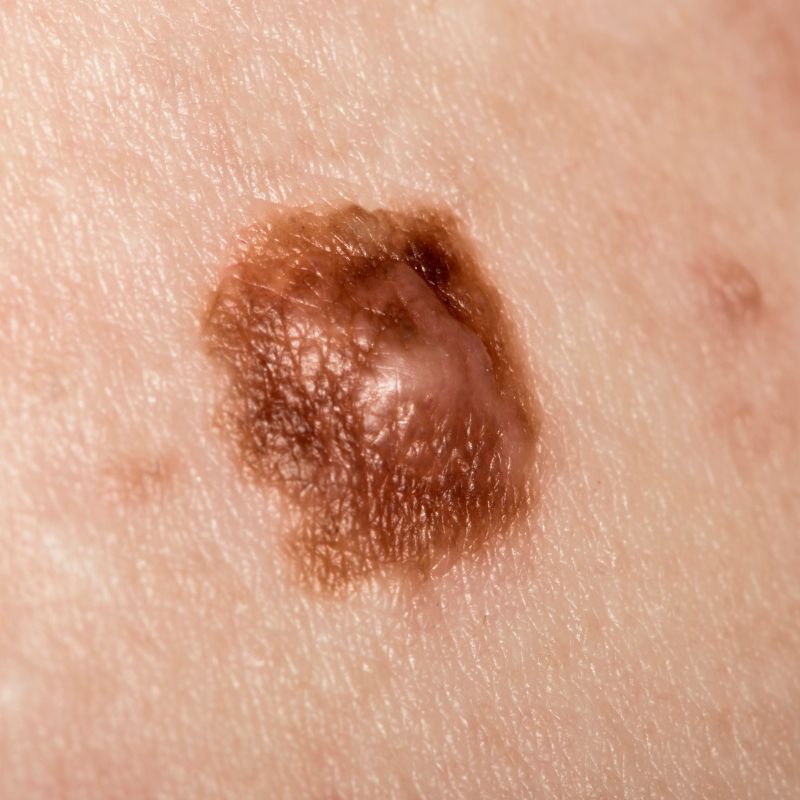
Changes in the size, shape, colour or surface of a mole can sometimes be an early sign of skin cancer. Other warning signs include bleeding, persistent itching, crusting or a lesion that simply does not heal.
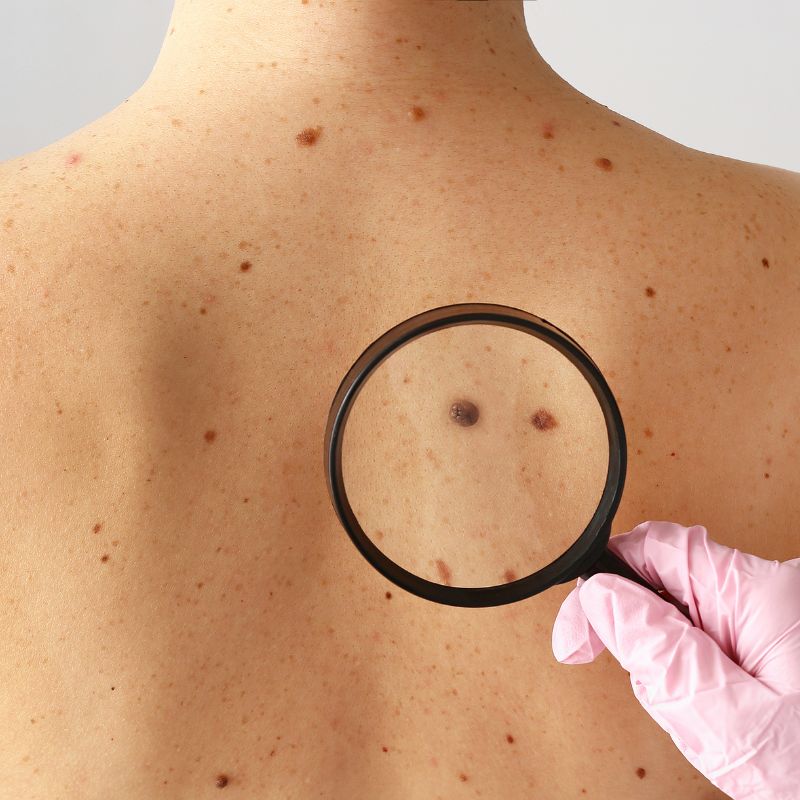
At Dermatology Center Tenerife, we provide medical assessment of moles and suspicious skin lesions, including examination with dermatoscopy where appropriate.
The purpose of a mole check is to distinguish normal and benign skin changes from lesions that may require closer monitoring, specialist assessment, biopsy or removal.
Common Mole & Skin Lesion Concerns










The ABCDE Warning Signs of Melanoma
A useful way to recognise potentially suspicious changes in a mole is the ABCDE rule.
The ABCDE rule is useful for recognising warning signs, but it cannot diagnose skin cancer. A lesion that concerns you should be medically assessed even if it does not meet all of these criteria.
How We Assess a Suspicious Mole

What Happens If a Mole Looks Suspicious?
Finding a suspicious mole does not automatically mean that you have skin cancer. Many unusual-looking moles and skin lesions ultimately prove to be benign.
However, when a lesion has suspicious characteristics, further investigation may be necessary to establish the diagnosis. Depending on the findings, this may involve:
At Dermatology Center Tenerife, we can coordinate the appropriate next step based on the findings of your examination.
Early Assessment Matters
Skin cancers are generally easier to treat when identified at an early stage.
Do not wait for a mole to become painful before having it assessed. Many suspicious skin lesions cause no pain or other symptoms during their early stages.
If you notice a mole or skin lesion that is new, changing, bleeding or simply looks different from the others, a medical assessment can provide clarity and determine whether further investigation is necessary.